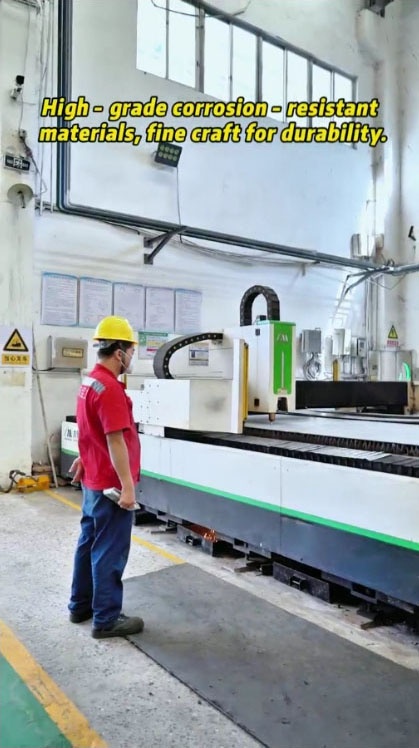
Workshop Material Cutting in Industrial Production
Workshop material cutting is a fundamental process in industrial manufacturing, ensuring materials are prepared accurately and efficiently for further processing. Proper cutting techniques, equipment, and workflow help manufacturers maintain high quality, reduce waste, and improve production efficiency.
In chemical, coatings, and industrial equipment workshops, material cutting is often the first step in production lines.
Key Methods and Equipment for Workshop Material Cutting
1. Cutting Methods
- Manual Cutting – For small-scale or prototype materials, using hand tools for precision.
- Mechanical Cutting – Using saws, shears, or presses for repeatable results.
- Automated Cutting Systems – CNC machines or robotic cutters for high-volume, precise operations.
2. Equipment Used
- Industrial saws, shears, and presses
- CNC cutting machines
- Laser and waterjet cutting systems for advanced precision
- Material handling conveyors and safety systems
These tools ensure that materials such as metals, plastics, coatings, and resin sheets are accurately prepared for downstream processes.
Safety and Best Practices
Proper safety measures are critical during material cutting:
- Always wear protective gear (gloves, goggles, masks)
- Maintain cutting machines regularly
- Ensure correct material clamping and alignment
- Follow standard operating procedures (SOP) for each type of material
Implementing strict safety practices reduces workplace accidents and ensures consistent production quality.
Applications in Industrial Workshops
Workshop material cutting is widely used in:
- Chemical equipment fabrication
- Coatings and resin production
- Industrial machinery assembly
- Palletizing and packaging systems
- Prototype and small-batch manufacturing
Accurate cutting at this stage directly impacts the efficiency and quality of the entire production line.
FAQ
Q1: What is workshop material cutting?
A: It is the process of preparing raw materials in workshops using precise cutting methods for production and assembly.
Q2: What types of materials can be cut in workshops?
A: Metals, plastics, coatings sheets, resin materials, and other industrial substrates.
Q3: Is automated cutting better than manual cutting?
A: Automated cutting ensures higher efficiency, precision, and consistency, especially for large-scale production.
Q4: How can safety be ensured during cutting?
A: By wearing proper protective gear, maintaining machines, and following SOPs for each material.